Talks Excerpt 318. Swamiji explains the Kundalini.
From Mother Radha’s notes, written at Swamiji’s feet.
The Muladhara [chakra] is where all residual sensation is stored, and motor energy. If a minute portion of this kundalini travels along a nerve fibre, it causes a reaction: for instance, a dream, an imagination. Long intense meditation causes a vast mass to travel upwards, and it gives an intense reaction. If it reaches the brain, there is a blaze of illumination.
Rousing this power may come from intense love of God; the mercy of a perfected sage; the power of the analytical will of philosophy. All worship leads to this. The answer to prayer comes from this.
When anger comes up, see it coming. Watch it. Ask, ‘Am I that anger?’ No. Anger is in the mind.
Hope makes the ego dance. It leads to selfishness. Without hope there is no ‘I.’ Without ‘I’ there is no need for hope. Hope is in the future. Selfishness is in the past. Fight now. Bury the past. Live in the present. Live for God.
When something is wrong, say, ‘O Ma [Divine Mother], change your form. I do not want to see you in this form that does not help me to progress.’ You will see, She always answers our sincere prayer.
Each one has his own guru, but he gets assistance from many others.
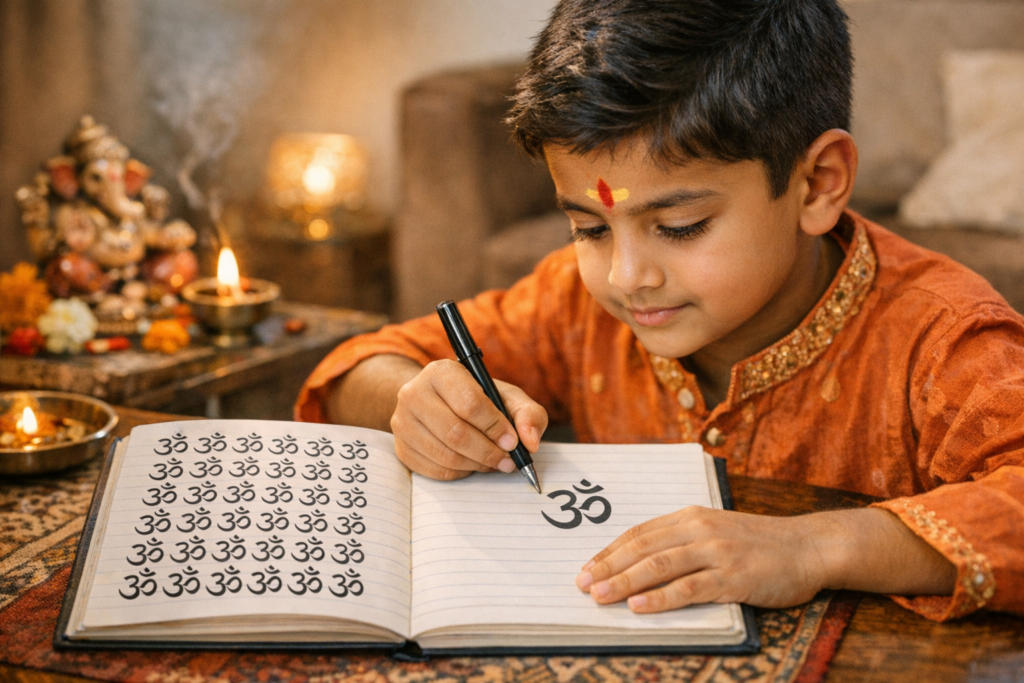
Use likhit japa [Writing a mantra 108 times or more]. Use anything to aid concentration. Suddenly you will go inside. All is aimed at that one thing. For example, with the Ishta [Devata], if you concentrate on it all the time, suddenly you will find that it is not there, it has gone into the formless.
All music is noise. Only when we put a meaning to it, do we like or dislike it.
If the Self sings, who listens? The Self.
The free-to-read or download, 396 page Flipbook version of Swamiji’s biography is available by clicking HERE.
These recordings or the excerpts from them, were made from the early 1970s onward, by Mother Radha, a close devotee of Swamiji’s and edited for uploading here by our gurubhai and her son, Brother Tim. Please be mindful that what Swamiji was saying may have been specific to an individual or a group of people with him, at the time.