Swamiji says that Japa – repeating God’s name – can indeed lead you to God-realisation.
It sounds as if a devotee is telling Swamiji he's heard that japa [frequent repetition of any one of God's many names] won't lead to God-realisation.
Swamiji explains that if we're repeating one of God's names during the day – japa – when we fall asleep, the mind will continue the process – ajapa – automatically. And if the mind is on God, where will the heart be? It will be in God. So, says Swamiji, you must get God [realisation] through japa – why not? Who told you you can't get it?
Swamiji says it's only 'silly' people, who have no experience of japa, who will condemn japa and that if you repeat God's name, he must come.
Swamiji gives numerous examples of the efficacy of japa. He says the 'name' [any one of the many names we use for God] has not lost its power. It is we who have lost our power of concentration in the name, and faith in the name. The easiest way to realise God is through japa says Swamiji, as he spells out the criteria and repetitions that we need to implement. Including achieving an appropriate balance of time and effort.
Swamiji explains the usefulness and *psychology of a mala [prayer beads] in the earlier stages of japa, and the power of physical touch to more easily keep the mind focused on the Deity whose name is being repeated. [*Touch involves another of the 5 senses – so it aids concentration. In the same way, in early days of the Ramakrishna Centre Yoga Camps at Tongaat beach, we used to have a period of mouna – silence of speech, and hopefully also mind 😉 – for likhit japa, in which we wrote the AUM/OM symbol in the little squares of a school exercise book. We filled several pages in the course of the camp. That was Swamiji's wonderful way of concentrating our minds and also getting us to consistently repeat the same bija – 'seed' sound – for a period. Those pages were folded into little boats, and on the last night of the camp, with a lighted diya in them, they were floated off into the lagoon near the beach, as a way of sending our prayers and devotions to God. It was always a deeply moving ceremony when we did that.]
Swamiji points out how many deities and saints are depicted carrying malas – and not for show.
Swamiji wraps up the session by explaining that a mala represents each breath and heartbeat. So with every breath we're supposed to say God's name. Listen to the final recommendation. It's so, so encouraging.
To hear Swamiji explaining this, please click on the link below. Jai Sri Ramakrishna!
Duration: 06:42
For the free-to-read, draft 394 page expanded version of 'A Life Lived For Others'.
Click here: → Swamiji's biography
You may need to install a PDF reader on your phone if that's where you'll be reading the book.
The original audio recordings of these posts were made by close Ramakrishna Centre of South Africa and Swami Shivapadananda devotee, Mother Radha. The audio editing and noise reduction of the original 1970s-onwards tapes, has been lovingly engineered, over many years, by her son and our dear gurubhai, Brother Tim. May Sri Ramakrishna and Swamiji bless them both.
Admin tip: Underlined words are links. If you click on them, they'll take you to an explanation of the particular word or term. [In these overviews, Admin comments are typically in a smaller green font, and square bracketed, like this statement.]
Dear reader, if you spot typos or or other errors, please feel free to email the site admin on info@imbizo.com with your suggested correction/s.
Context: As always, care should be taken to remember that what Swamiji was saying, may have been very specific to the needs of people with him at the time. Please bear this in mind.
Links to our Guruparampara (spiritual lineage) organisations, which will broaden your knowledge base: Ramakrishna Math and Mission and our alma maters, the Ramakrishna Centre of South Africa and the Sri Sarada Devi Ashram in Durban. The Ramakrishna Centre of Johannesburg is also active in Gauteng province in South Africa.
There are various publications [The Gospel of Sri Ramakrishna etc.] which you can download at no charge, from the Ramakrishna Centre of SA website page, HERE.
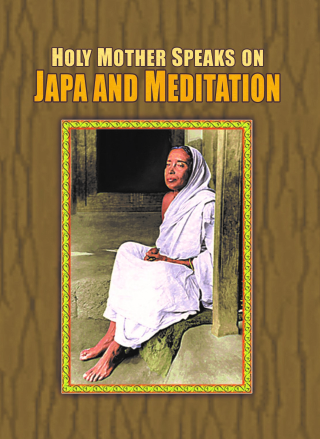
The picture in this post is borrowed from the Ramakrishna Math, Chennai, bookstore.